
Colors Out Loud brings what happens behind the therapy room door out into the world. Unscripted mental health conversations for BIPOC folks, hosted by the therapists of Colors of Austin Counseling.
The newest episode is always up first. Tap any title below to switch episodes.
Every conversation so far, newest first.

Marissa and Kara get honest about the mental load of trying to conceive: constant tracking, the grief that can come with each cycle, the strain on couples, and why taking a break isn’t giving up.
Listen + show notes →Roy and Alxis talk about why so many adults stop playing, what play does for our relationships and nervous systems, and small, practical ways to bring it back.
Listen + show notes →Vanessa and Maria break down what EMDR is, why trauma stays stored in the body, and how a culturally responsive approach can help with fawning, over-functioning and racial trauma.
Listen + show notes →Alex explores what it means to be in solidarity with yourself: healing shame and internalized racism, listening to anger, and building trust and safety from the inside out.
Listen + show notes →Maria gets vulnerable about ambiguous loss, going no contact with her family, and how to live with a grief that has no closure.
Listen + show notes →Lina and Claudia get personal about losing a beloved tía and a dad, the strange relief hospice can bring, and why anger is so often sadness underneath.
Listen + show notes →Marissa and Alex, both therapists and moms, talk body image from fertility through postpartum, and why caring for a baby also means caring for the person nourishing them.
Listen + show notes →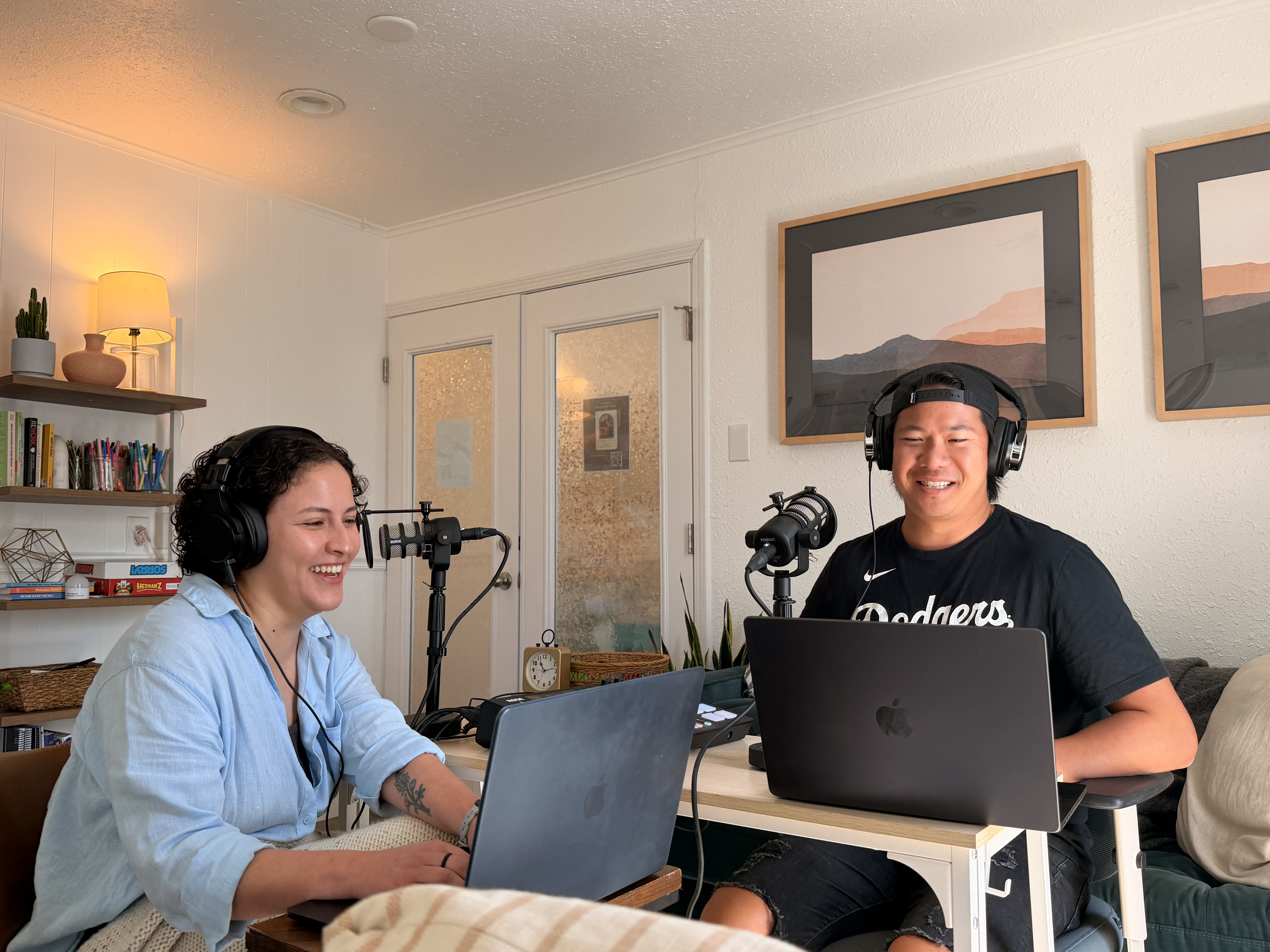
Roy and Lina get personal about spiritual and religious trauma: what faith gave them, where it caused harm, and how to find the sacred again on your own terms.
Listen + show notes →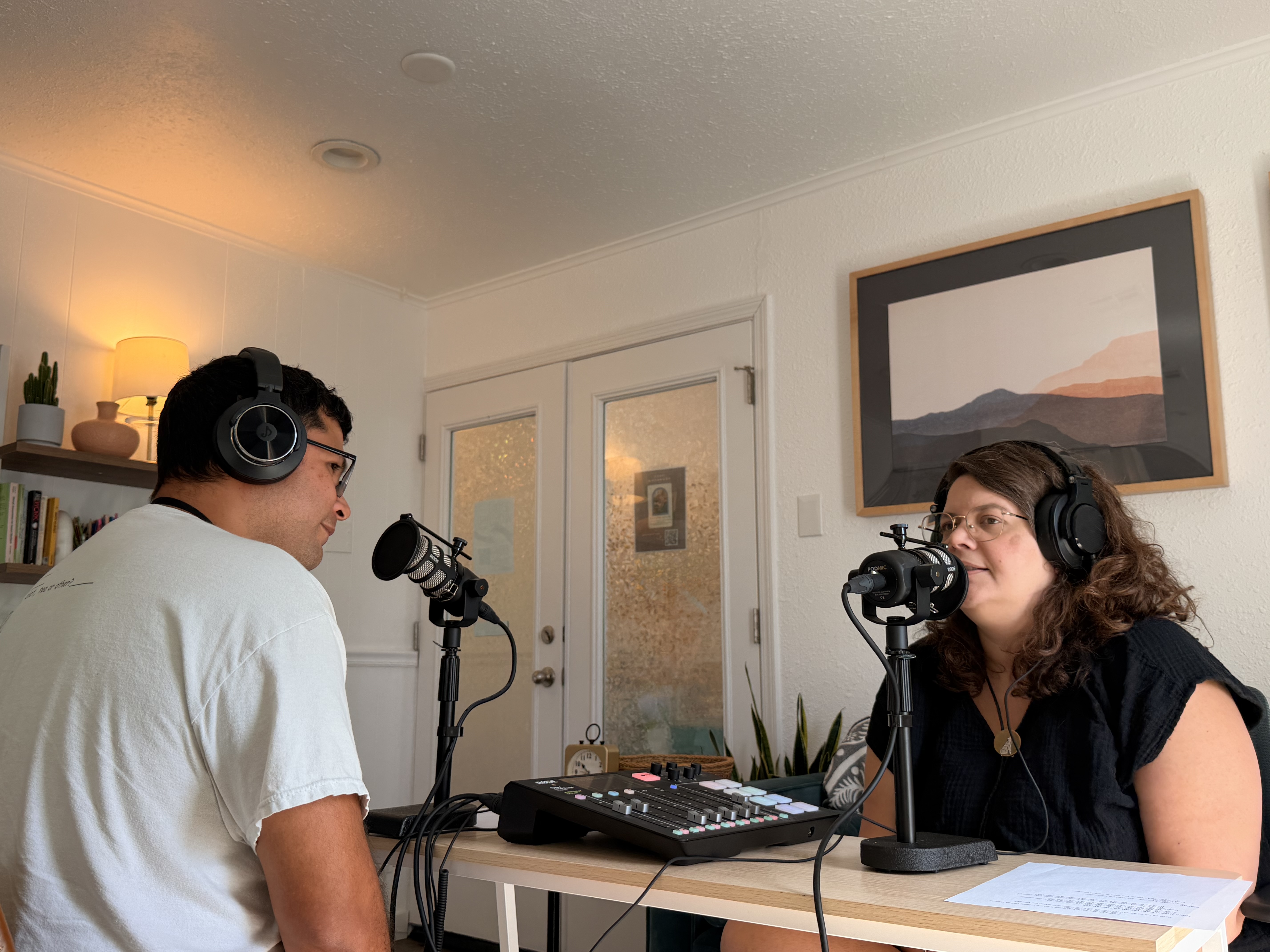
Chris and Jené kick off a new movie series with Backrooms, unpacking its odd role play session, race and power in the therapy room, and how easily helping slides into control.
Listen + show notes →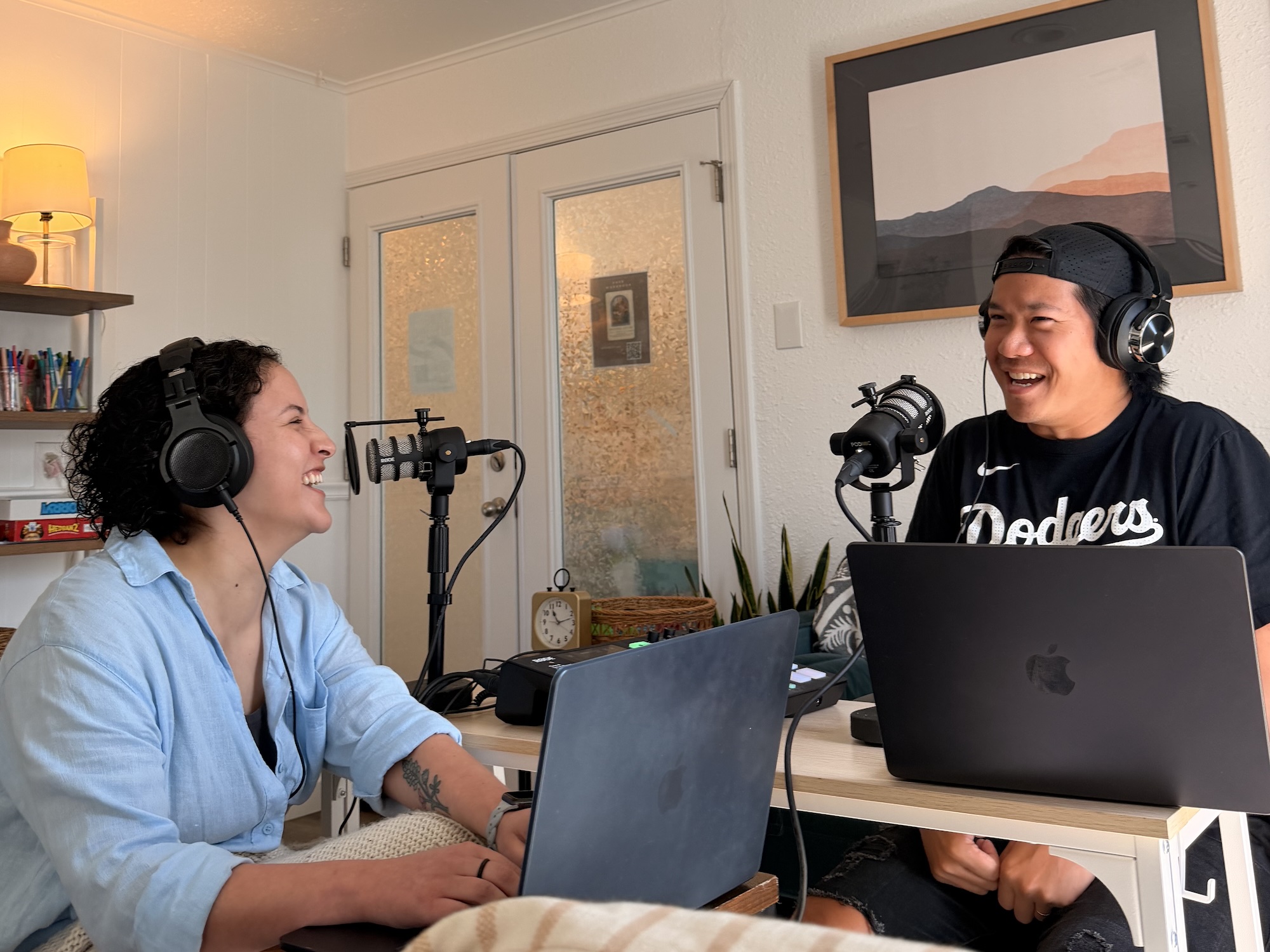
Roy and Lina explore late ADHD diagnosis in BIPOC communities: the model minority mask, emotional dysregulation, and the bias built into how diagnoses get made.
Listen + show notes →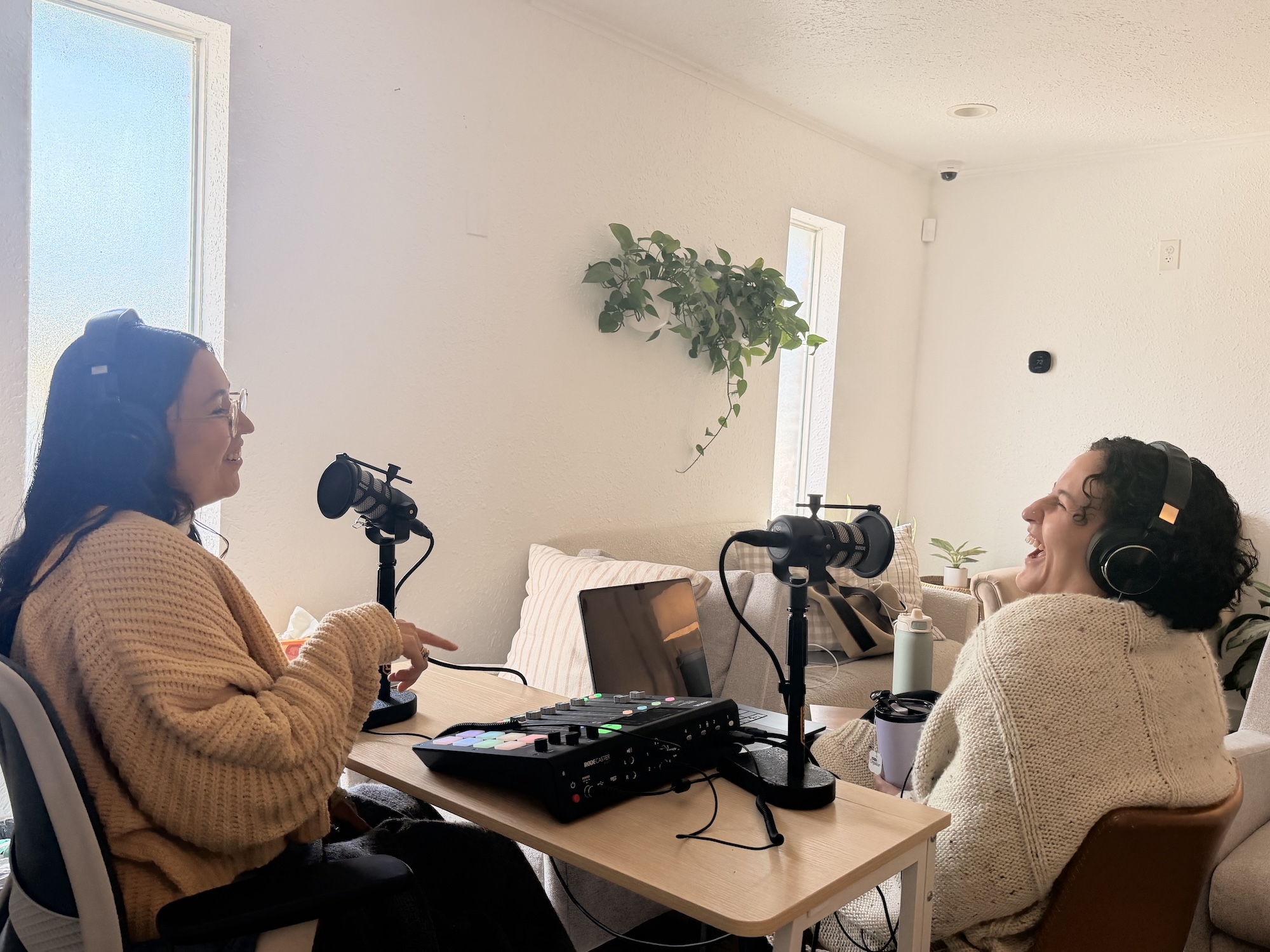
Lina and Claudia unpack Mexican identity, colorism, Indigenous ancestry, assimilation, and the privilege that moves through families across generations.
Listen + show notes →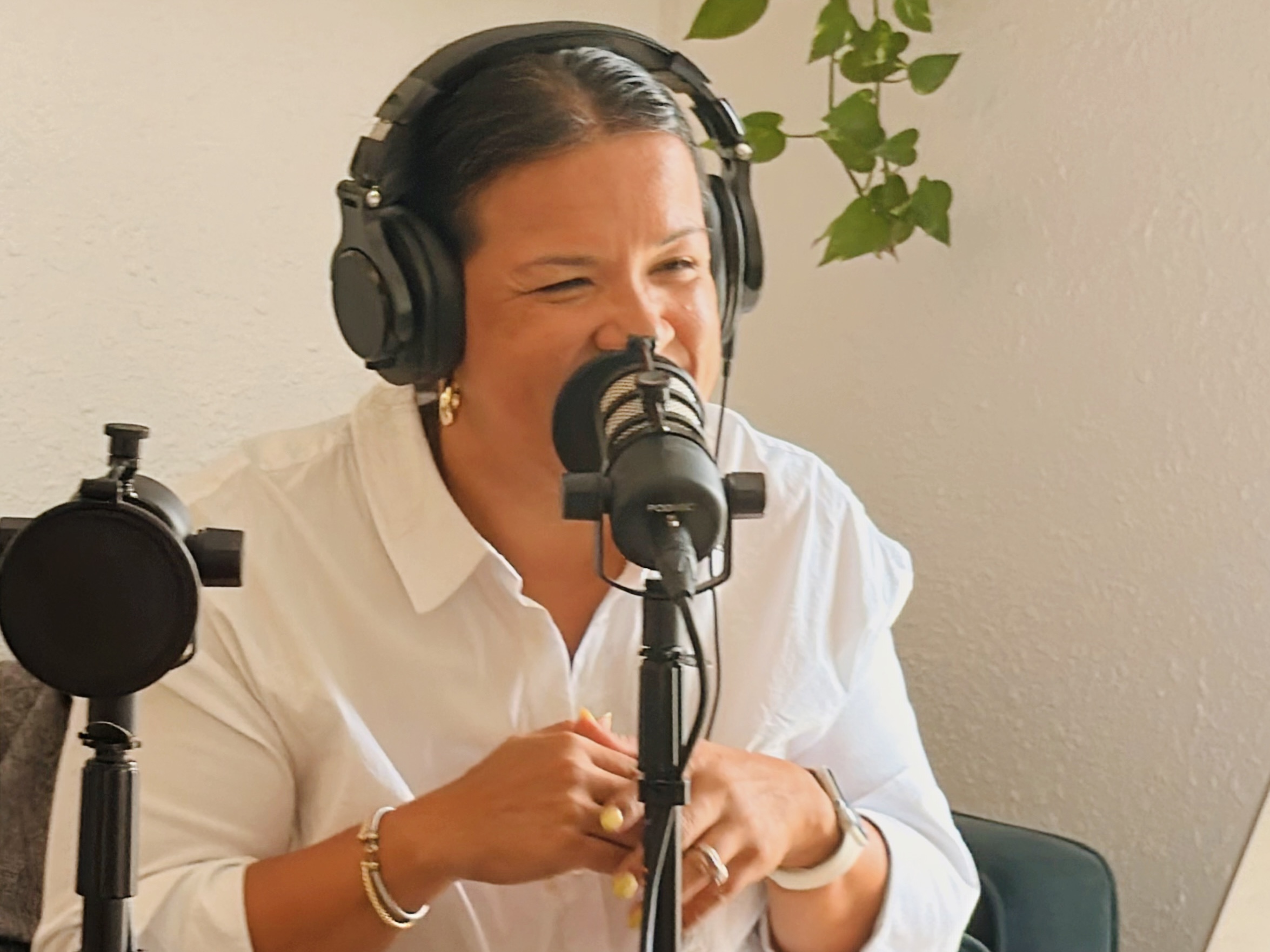
Vanessa shares why Colors of Austin Counseling exists, how a solo practice grew into a culturally responsive therapy team, and why honest conversations about mental health matter.
Listen + show notes →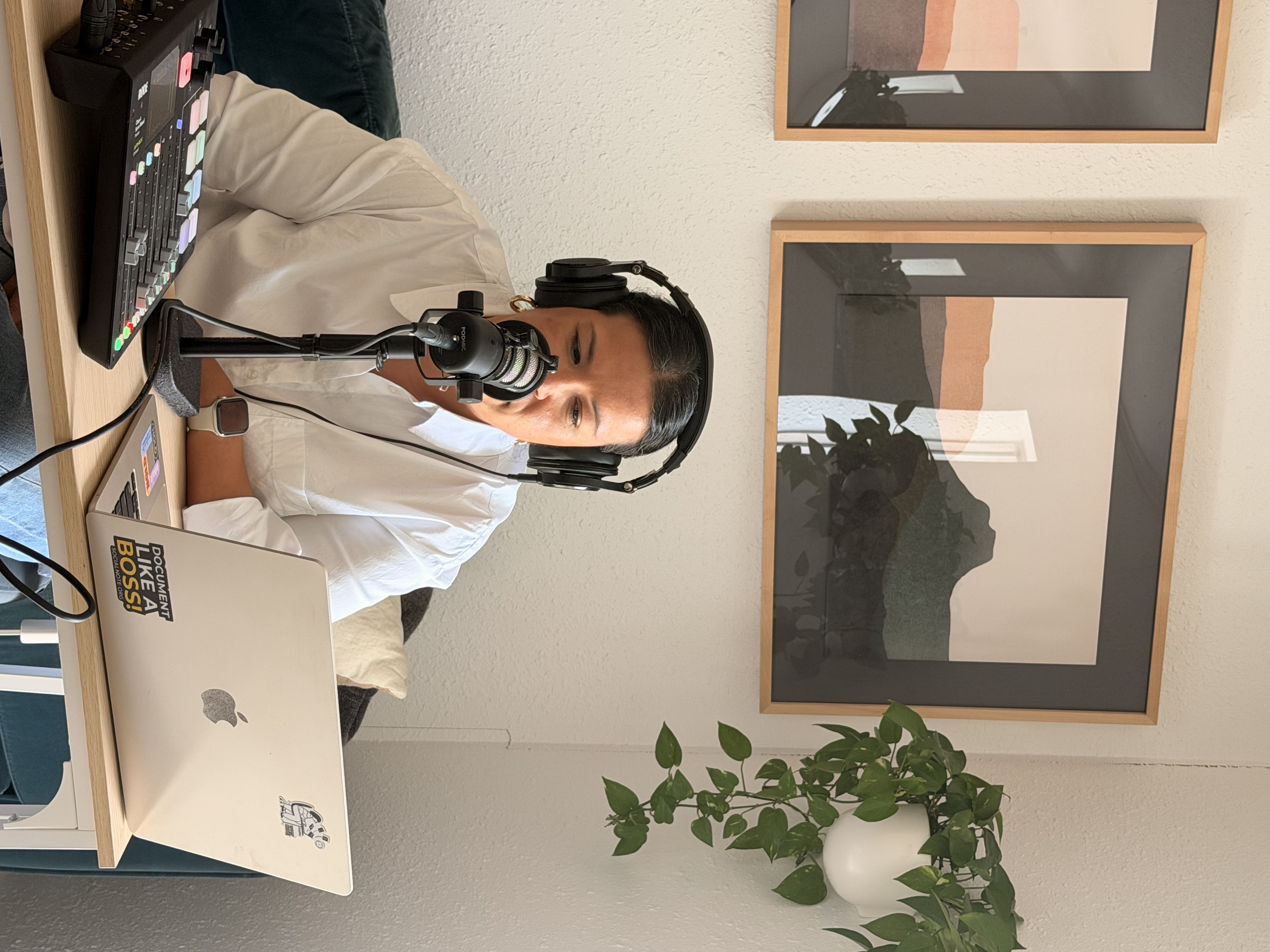
What the show is, who it’s for, and what to expect each week. Start here if you’re new.
Listen + show notes →Colors Out Loud is for anyone who’s ever left a hard conversation wishing they’d said more. The ones holding multiple identities, doing the internal work quietly, and craving mental health conversations that don’t feel like a lecture or a demographic checkbox.
If you’re BIPOC, in therapy, thinking about therapy, or just tired of wellness content that skips the nuance, this show is for you.
Solo takes and roundtables with our therapists on grief, identity, burnout, relationships, and more.
Voices whose work and lived experience widen the conversation.
Real questions, answered by people who do this work every day.
Every episode ends with something small you can actually try.
Clinicians who share the identities, languages, and lived experience of the communities we serve, rotating behind the mic each week.

A letter from a therapist, in your mailbox. A monthly snail-mail letter with a few fun surprises tucked inside. $11/month, first letter mails January 15.
Join the waitlist →Some conversations get better with more voices in the room. If your work, lived experience, or perspective can help us talk about mental health, identity, culture, or relationships, we’d love to hear from you.
Pitch yourself as a guestOur therapists offer culturally responsive care in person in Austin and virtually across Texas. When you’re ready for more than a listen, we’re here.
Find your therapistColors Out Loud is for educational purposes and isn’t a substitute for therapy or crisis support. If you’re in crisis, call or text 988 to reach the 988 Suicide & Crisis Lifeline.